In my recent process of exploring my career paths in the art industry, I did several interviews with professionals from some related fields. One particularly interesting conversation was with my undergraduate professor from the transmedia project. Except his role in academia, he is also an activated artist involved in many well-known art projects in China. He provides a prime example of successfully integrating interdisciplinary practices within the arts.
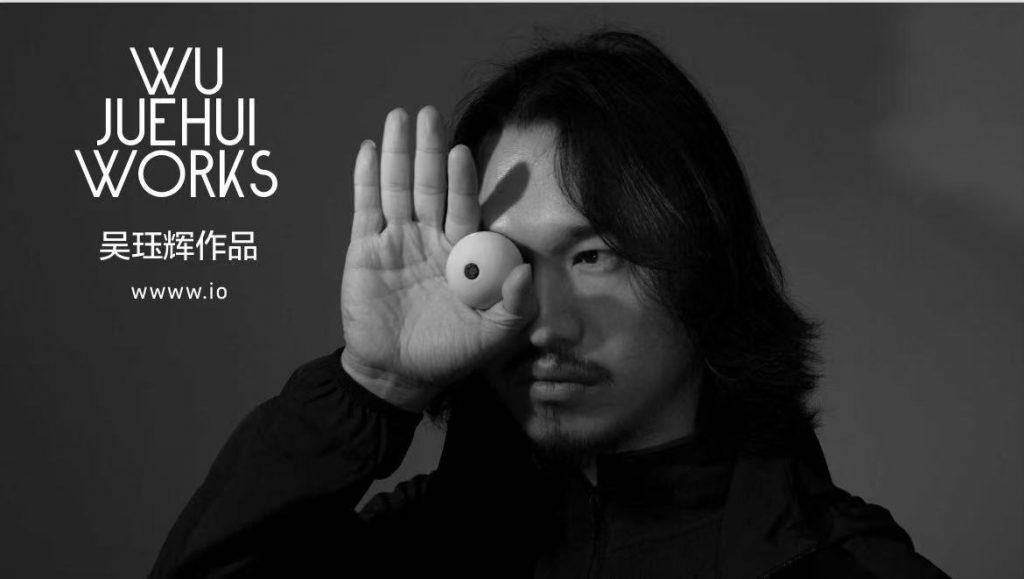
The portfolio of my professor
During our conversation, he shared some details of his unique business model, which challenged many of my previous assumptions about what it means to work as an artist professionally. Firstly, he emphasized to make use of his identity as a university lecturer. Being part of an academic institution provides him not only with a respectable title but also with useful resources, teaching spaces, institutional partnerships, student labor, and even qualification for certain project applications.
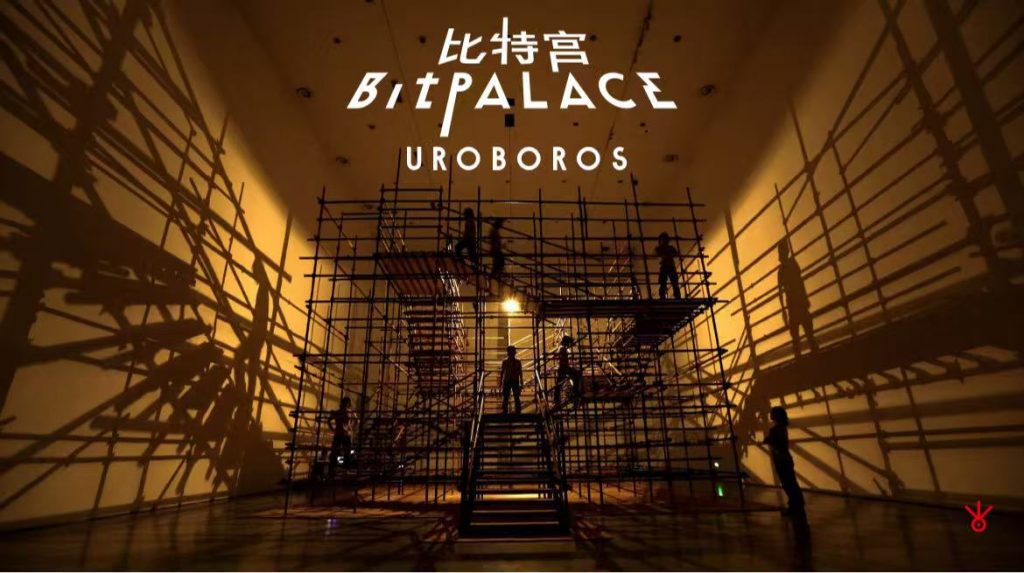
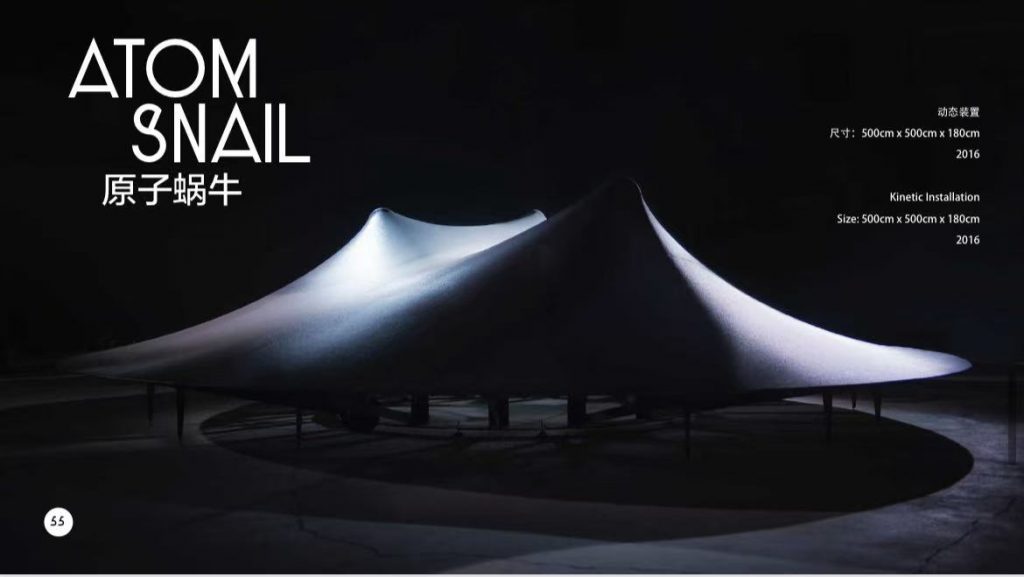
Secondly, he described how his undergraduate installation artworks are not as exhibitions for appreciation, but also as “case” for potential clients, especially in the government public sector. He mentioned areas like public art, city sculpture, and art installation of festivals, fields that tend to have numerous projects and high budgets. His approach is similar with project in civil engineering more than traditional fine art. Rather than depending on the sale of individual artworks, he supports his studio by building collaborations, applying for projects, signing contracts, and securing budgets.
Although his path is not match within the same direction I am currently in, his story broadened my understanding of what a sustainable creative career can look like. It offered a practical, grounded example of how art can be embedded within institutional and governmental structures. From this and other interviews, I have started to realize that artistic success can be flexible combinate through strategic positioning, interdisciplinary thinking, and a deep understanding of how different systems operate. These insights have inspired me to think more creatively and flexibly about my own future professional development.